Shariah Compliant Stocks: The Complete Halal Investing Guide
What makes a share Shariah compliant, who decides, how to find compliant stocks yourself and the mistakes beginners make along the way.
Too many savers keep their money in cash to avoid riba while inflation slowly eats into it. Waleed Qaisar works in Islamic wealth management and writes here about halal ways to grow that money, along with global markets, the Pakistan Stock Exchange and personal finance.
What makes a share Shariah compliant, who decides, how to find compliant stocks yourself and the mistakes beginners make along the way.
Start with how the market works and finish with the most common mistake new investors make.
Learn how the market works
What people mean when they say the market was up today.
Make a start
For anyone who wants to invest but doesn't know where to begin.
Pick your approach
Two very different ways to use the market, and which suits a beginner.
Avoid the common mistake
Why investing money you'll need soon catches out so many new investors.
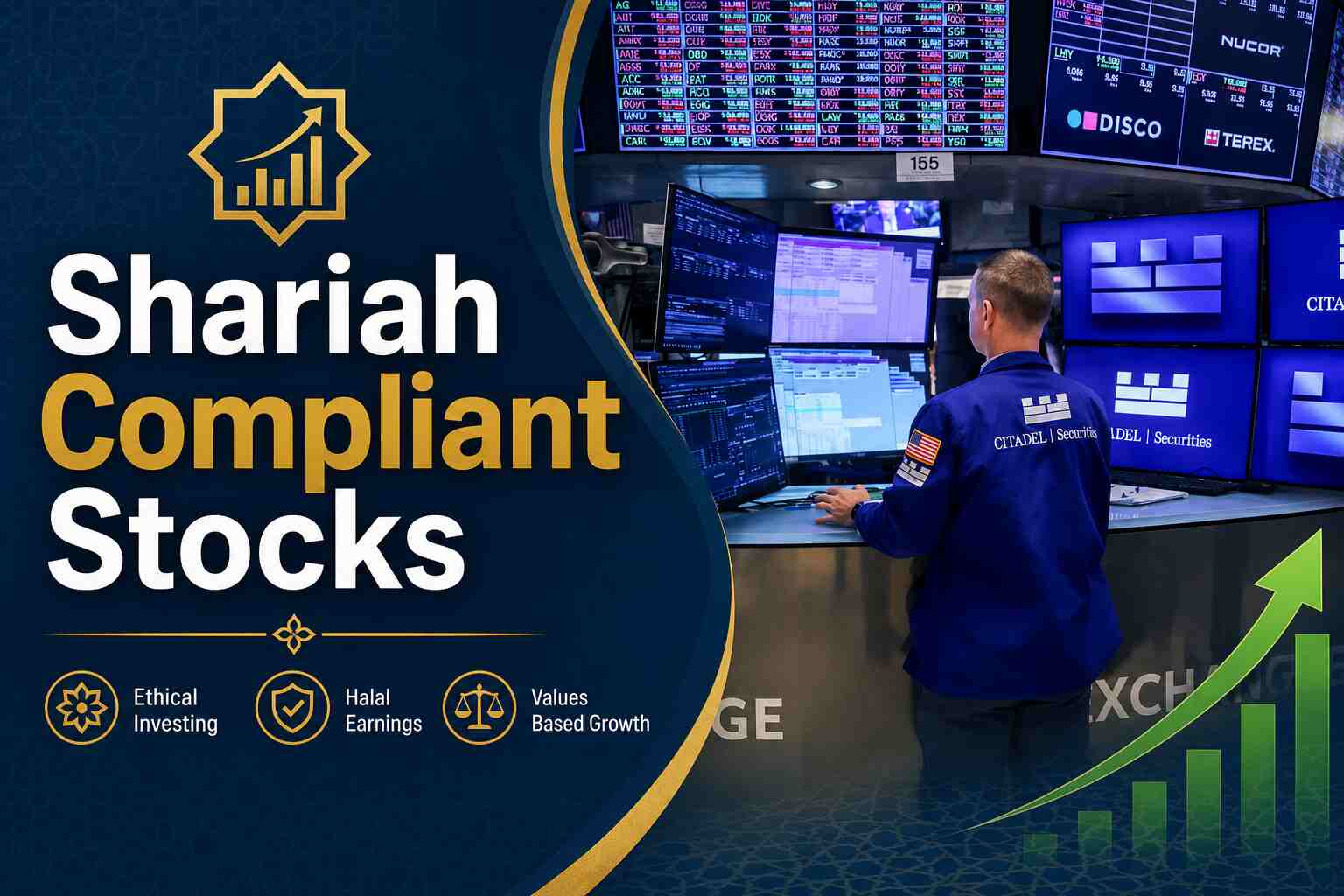
A share counts as Shariah compliant only when it passes two tests. The company's core business has to be permissible, and its balance sheet has to stay inside set limits on interest-bearing debt, non-compliant investments and non-compliant income.
The exact limits depend on which rulebook a screener follows. Many global screeners use AAOIFI's Shariah Standard No. 21, while on the Pakistan Stock Exchange the screens decide which companies can enter the KMI-30 and the PSX-KMI All Share Index. A company can move in or out as its accounts change, so check a stock's current status before you buy.
In February 2026 the SECP approved stricter screening for the PSX-KMI All Share Index. The ceiling on interest-bearing debt fell from 37% to 33% of total assets, and qualifying companies now get a three-, four- or five-star compliance rating. Plenty of guides online still quote the old 37% figure.
Source: SECP announcement, reported by Business Recorder, 26 Feb 2026
How exchanges work, what the numbers in a company's accounts mean, and when a share price is actually good value.
The regulated marketplace where listed shares are bought and sold.
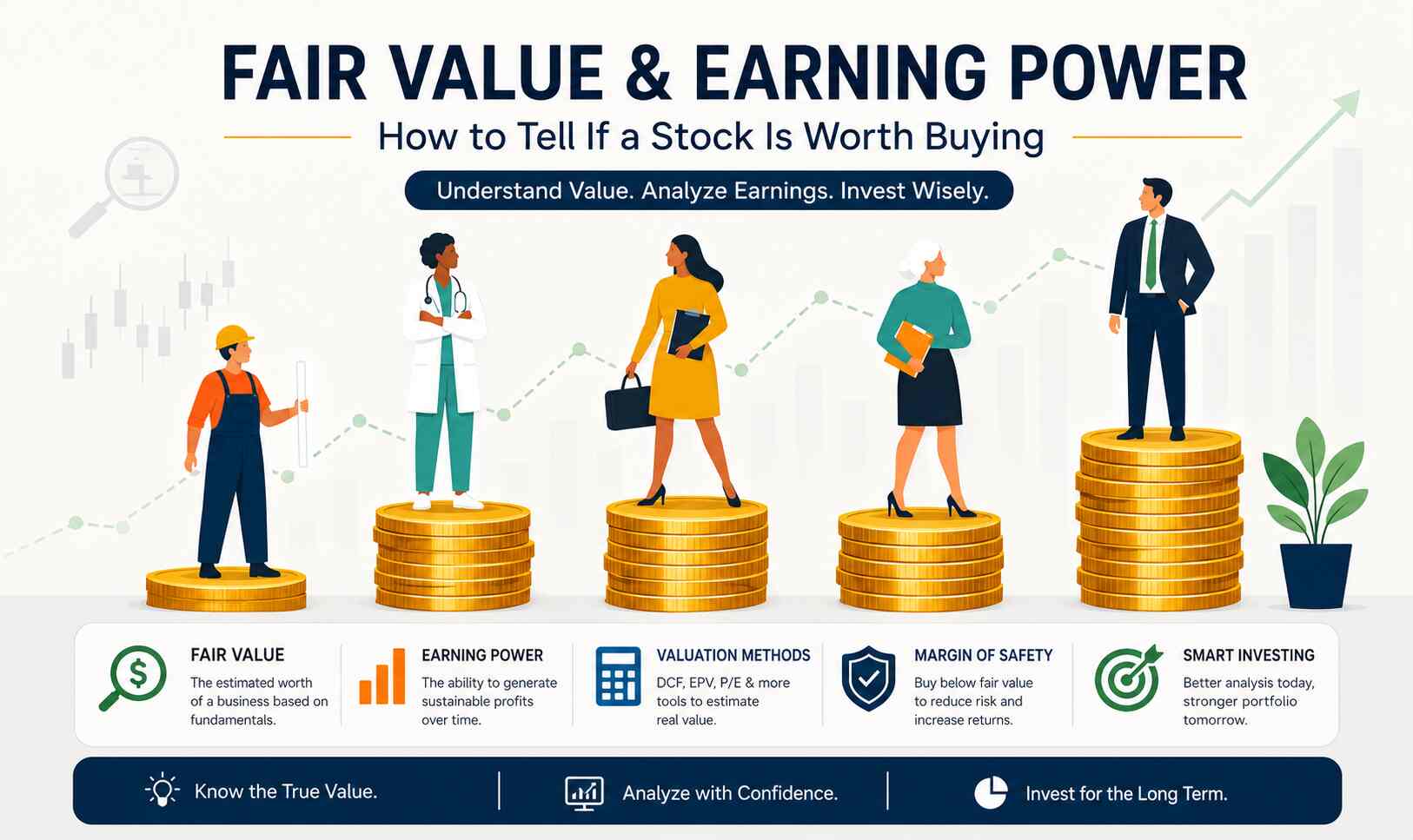
Why two analysts can look at one stock and reach different fair values.
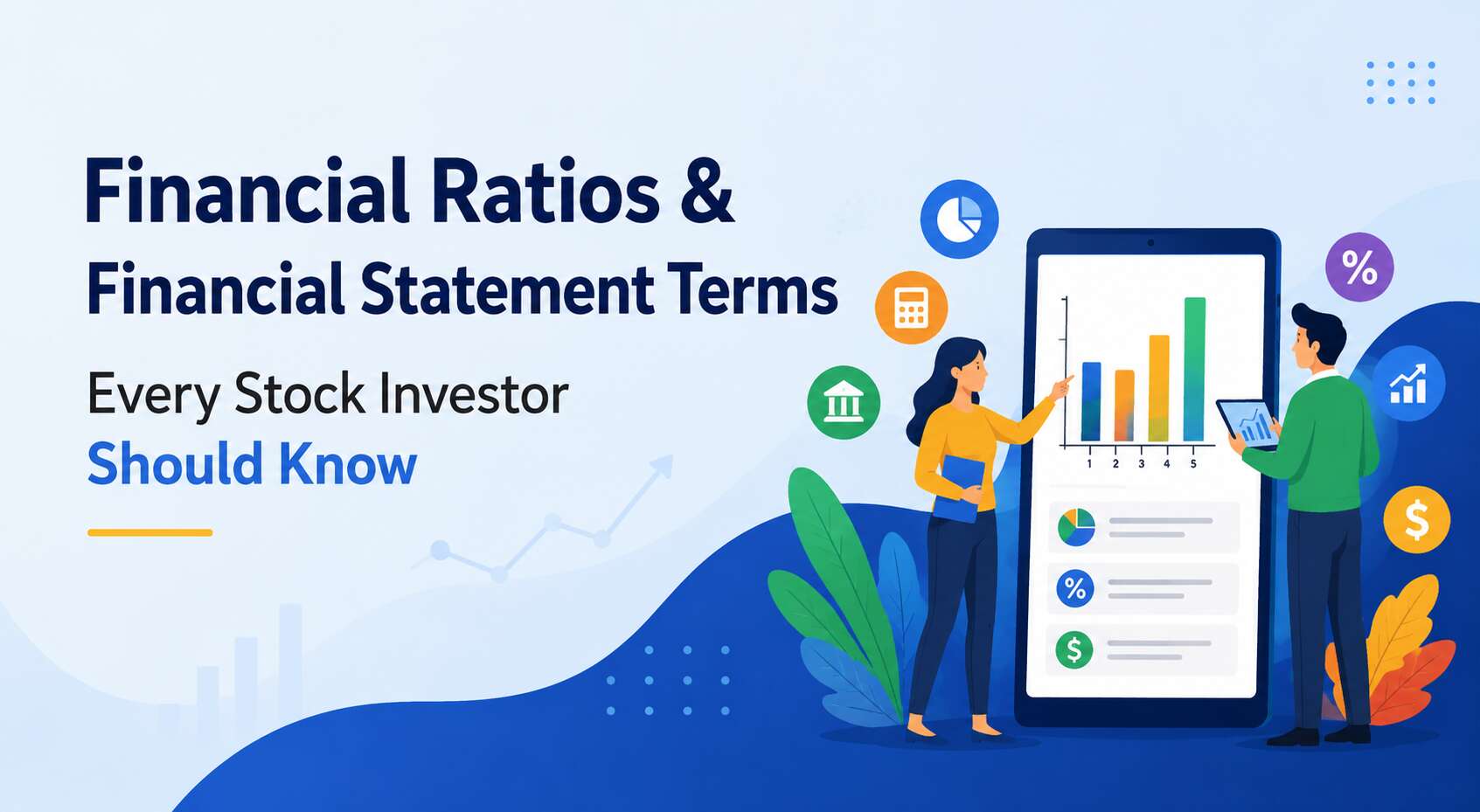
Reading the business behind the share price, not just the chart.
How pooled funds buy a spread of assets on behalf of many investors.
Why cash sitting in a bank account can quietly lose value.
Income you work for versus income your assets earn, and how each is taxed.
The gap between the returns people expect and the ones they actually get.
One place to see how your stocks, ETFs, funds and crypto are doing.
Run the numbers before you decide.

Waleed Qaisar is a Business Development Manager, Wealth at Hejaz, a global Islamic finance group. From Western Australia he works with wholesale and high-net-worth investors, professionals and business owners who want to move out of cash savings and conventional products into Shariah compliant funds, superannuation and home finance.
After a degree in Accounting & Finance he chose Islamic finance over conventional banking. He has supported more than 100 clients, from first-time investors to high-net-worth Muslims moving their whole portfolio to Shariah screened investments, and he runs community sessions on compounding, inflation and ethical investing.
This site is where he shares his own opinions and guides, for readers in Pakistan, Australia and anywhere else Muslims want their savings to grow without interest.
Views on this site are Waleed's own and do not represent Hejaz or any other employer. Articles are general information and education, not personal financial advice or a religious ruling. Share prices can fall as well as rise. Check a company's current Shariah status and your own circumstances before you invest. Read the full disclaimer